Wombat: A Unique Embroidery Design
As an embroidery designer with years of experience, I'm always on the lookout for fresh, versatile designs that can elevate my handmade products and commercial projects. The Wombat design from Creative Fabrica caught my attention for its charming woodland vibe and unique stitching style. In this review, I'll walk through my first impressions, practical use, and how Wombat could fit into your creative workflow.
First Impressions: A Whimsical Woodland Character
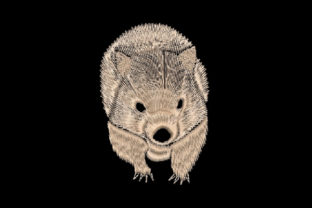
The Wombat design has a soft, approachable aesthetic that feels like it belongs in a cozy, nature-inspired setting. Its visual mood is gentle and playful, making it ideal for items like baby blankets, nursery decor, or personalized gifts. The level of detail is impressive—especially in areas where stitching is present, such as the body and limbs. However, there’s no stitching in the eye or nose areas, which means it’s best suited for dark fabrics where these empty spaces won’t be too noticeable.
From a stitching personality standpoint, Wombat balances simplicity with character. It doesn’t rely on excessive fill stitches or complex patterns, but instead uses a mix of satin stitch and running stitch to create a textured, handcrafted feel. This makes it a great choice for both beginners and experienced embroiderers looking for a design that feels natural and expressive.
Real-World Applications: Versatile for Multiple Projects
Wombat’s design lends itself well to a variety of real-world embroidery projects. Whether you're creating custom apparel, tote bags, or embroidered patches, this design offers a cohesive look that can be adapted to different fabric types and sizes. Its compact size also makes it suitable for small hoop setups, which is a big plus if you’re working on limited space or want to save time.
For example, using Wombat on a sweatshirt or tote bag design adds a subtle yet distinctive touch that stands out without being overwhelming. On a baby blanket or kitchen towel, it brings a warm, homey feel that appeals to customers looking for handmade, personalized items. Its clean lines and minimalistic details make it easy to incorporate into a range of color palettes and fabric textures.
Practical Use: Considerations for Different Fabrics and Projects
One of the key things to note about Wombat is that it works best on dark fabrics. The lack of stitching in the eye and nose areas means that lighter fabrics might not show the design as effectively. That said, if you're aiming for a more abstract or minimalist look, this could be intentional and even desirable.
When it comes to practical use, Wombat requires careful attention to stitch density and stabilizer. If you're working with stretchy or textured fabrics, it's essential to use the right type of stabilizer to prevent puckering or distortion. Also, because of the detailed elements, it’s wise to test the design on scrap fabric before committing to a finished product.
For projects that involve frequent washing, such as aprons or children’s clothing, make sure the design is securely stitched and that the thread colors contrast appropriately with the fabric. This ensures the design remains visible and durable over time.
Enhancing Product Value and Brand Consistency
Wombat has the potential to significantly boost the value of your handmade products. Its charming design can help differentiate your offerings in a crowded market, especially when paired with high-quality photography and thoughtful presentation. As a personalized gift or custom apparel item, it adds a unique touch that customers will appreciate.
From a branding perspective, using Wombat consistently across different products can help build brand recognition. Whether it’s on a tote bag, cap, or printable mockup, the design maintains a cohesive look that aligns with a woodland theme. This consistency is especially valuable for Etsy sellers, craft fair vendors, and boutique merchandise creators who rely on visual appeal to attract buyers.
Embroidery Tips: Making the Most of Wombat
To get the best results with Wombat, start by testing it on different fabric types and thread colors. Check the stitch density to ensure it’s appropriate for your project, and confirm the hoop size required to avoid any issues during the embroidery process. For curved surfaces like caps or pillow covers, consider adjusting the design or using a hoop that fits the shape.
Also, take the time to inspect small details after stitching, especially around the eyes and nose areas where there is no stitching. These areas may need extra attention to ensure they don’t appear too flat or unbalanced. Finally, always double-check the file details and licensing information on the Creative Fabrica product page before selling finished items.
Final Thoughts: A Great Addition for Creative Entrepreneurs
Overall, Wombat is a well-crafted machine embroidery design that offers versatility, charm, and practicality. Its clean lines and minimalistic details make it ideal for a wide range of projects, from custom apparel to seasonal handmade gifts. While it has specific requirements—like the need for dark fabric—it also provides flexibility for creative entrepreneurs looking to add a woodland-inspired element to their product line.
If you're an embroidery designer, Etsy seller, or small business owner, Wombat could be a valuable addition to your design assets. Just remember to test it thoroughly, choose the right materials, and keep the end goal in mind—whether it’s a personalized gift, a commercial embroidery product, or a standout item for your handmade shop.