Flea Bluework Review
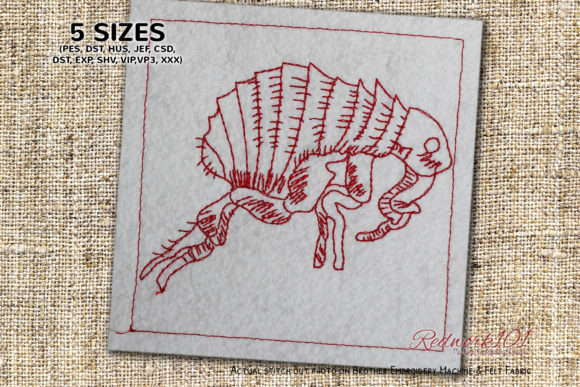
Flea Bluework is a machine embroidery design that blends whimsy with functionality, making it a compelling choice for small business merch and branded patches. Its name suggests a playful, insect-inspired aesthetic, but the design itself carries enough versatility to fit into various commercial applications. As an experienced embroidery designer, I’ve evaluated Flea Bluework for its potential in custom apparel, embroidered patches, and other branded merchandise. Below, I share my insights on how this design performs in real-world use.
First Impressions of Flea Bluework
From the first glance, Flea Bluework feels like a design that balances creativity with professionalism. The title hints at a quirky, bug-themed motif, but the execution leans toward a more refined, handcrafted look. The optional Box Stitch adds a layer of customization, allowing designers to adjust the outer box color or skip it entirely, depending on the project’s needs. This flexibility makes it suitable for both bold and subtle branding efforts.
The design has a handmade quality that can enhance the visual appeal of small business merch. Whether used as a chest logo, sleeve detail, or tote bag mark, it brings a sense of character without being overwhelming. However, its success depends heavily on how it’s adapted for different materials and sizes.
Real Business Use: Where Flea Bluework Shines
Flea Bluework excels in applications where visual interest and brand identity are key. For small businesses looking to create custom apparel, this design can serve as a unique accent on work shirts, aprons, or caps. Its structure allows for clear visibility even on larger surfaces, making it ideal for event merch or boutique merchandise.
As an embroidered patch, Flea Bluework offers a professional finish that can be applied to jackets, bags, or product labels. It works well on light-colored fabrics where the thread colors stand out, and its simplicity ensures it won’t get lost in high stitch density areas. For Etsy sellers or handmade brands, this design can elevate the perceived value of their products by adding a touch of personality and craftsmanship.
When used on tote bags or product packaging, Flea Bluework adds a memorable visual element that supports brand recognition. It also pairs well with other design assets, creating a cohesive look across different mediums. For commercial embroidery projects, the ability to adjust the outer box color provides a level of customization that can align with a business’s existing color scheme.
Where to Use Flea Bluework Carefully
Despite its strengths, Flea Bluework may not be the best choice for every application. On small patch sizes, the design could become too detailed, leading to a cluttered appearance. Similarly, on cap fronts or curved surfaces, the stitching might not lay flat, affecting the finished product’s quality.
Tiny lettering or intricate outlines could be problematic if the design isn’t scaled appropriately. High stitch density may cause the fabric to pucker, especially on textured materials. Dark uniforms or items that require frequent washing might also pose challenges, as the thread colors could fade or bleed over time.
It’s important to test Flea Bluework on real fabric before committing to large-scale production. A proper stabilizer and correct hoop size will help maintain the design’s integrity, especially when working with delicate or stretchy materials.
Impact on Brand Identity and Customer Trust
Branding through embroidery is all about consistency and clarity. Flea Bluework can contribute to a strong brand identity if used thoughtfully. Its visual personality—playful yet polished—can resonate with customers who appreciate a mix of creativity and professionalism. For small businesses, this design can help build trust by showcasing attention to detail and quality craftsmanship.
When applied to customer gifts, event merch, or product labels, Flea Bluework reinforces a business’s commitment to quality. It also enhances the handmade presentation of products, making them more appealing to buyers who value unique, custom-made items. However, the design’s effectiveness ultimately depends on how well it’s adapted to the specific needs of the business.
Practical Tips for Embroidery Designers
Before using Flea Bluework for commercial embroidery, there are several steps to consider. First, test the design in black and white to ensure it maintains its visual impact. Check how it looks at small patch sizes and review the thread color contrast against different fabric types.
Inspect the spacing between elements to avoid overcrowding, and confirm the hoop size required for the design. Testing on real fabric helps identify any issues with stitch density or fabric texture. Using the right stabilizer is crucial for maintaining the design’s shape and preventing puckering.
Creating a printable mockup for client approval ensures everyone is on the same page before production. Comparing Flea Bluework with other design assets helps maintain visual consistency across a brand’s merchandise. Lastly, always confirm the commercial licensing terms before using the design for business purposes.
Conclusion: Flea Bluework for Small Business Success
Flea Bluework is a versatile machine embroidery design that can add character and professionalism to small business merch. Its adaptability makes it suitable for a wide range of applications, from embroidered patches to tote bag designs. However, its success hinges on careful consideration of size, fabric, and placement.
For small business owners, embroidery shops, and crafters, Flea Bluework offers a creative way to enhance brand identity and customer engagement. With the right adjustments and testing, it can become a valuable asset in any commercial embroidery project. Whether used as a chest logo, sleeve detail, or apron embroidery, this design has the potential to elevate a business’s visual presence and product value.